
WE-ACT General Assembly: Advancing Water Management in Central Asia

The WE-ACT General Assembly, held in Tashkent, Uzbekistan from April 23rd to 24th, 2024. The event focused on advancing water management in Central Asia through keynote speeches, collaborative sessions, and innovative demonstrations. Notable moments include the introduction of serious games for interactive learning and decision making, and a visit from BWO SyrDarya and SIC ICWC, emphasizing the importance of end-user engagement. Overall, the assembly exemplifies collective efforts towards sustainable water allocation in the region.
Bridging Boundaries: WE-ACT at 8th Water-Food-Energy-Ecosystems Nexus Task Force meeting
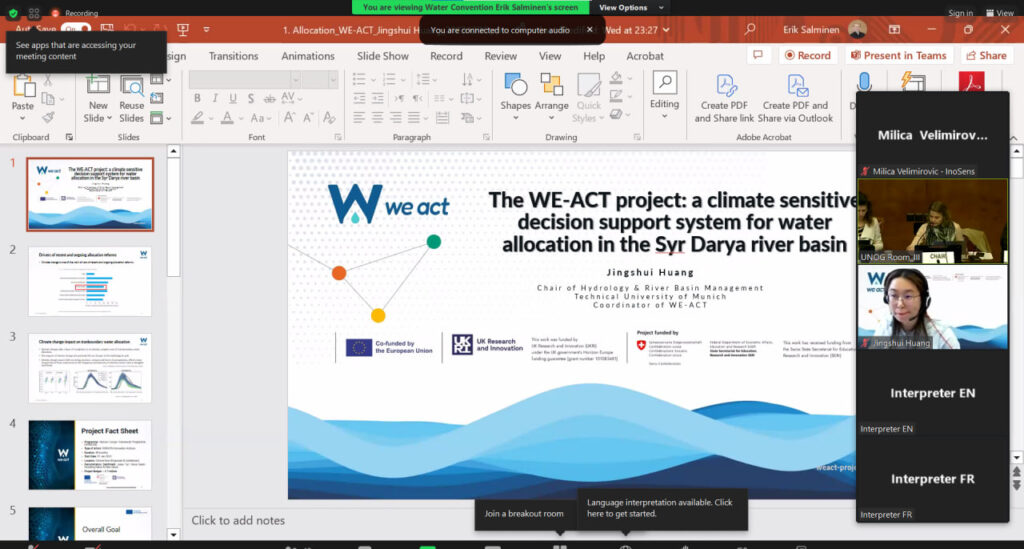
Explore the global impact of WE-ACT, spotlighted at the recent Convention on Transboundary Watercourses. Recognized by UNECE, WE-ACT is featured in the forthcoming UNECE handbook, exemplifying effective solutions at the intersection of water, food, energy, and ecosystems.
WE-ACT Partners’ Field Trip Unveils the Dynamics of Irrigation Canals and Stations
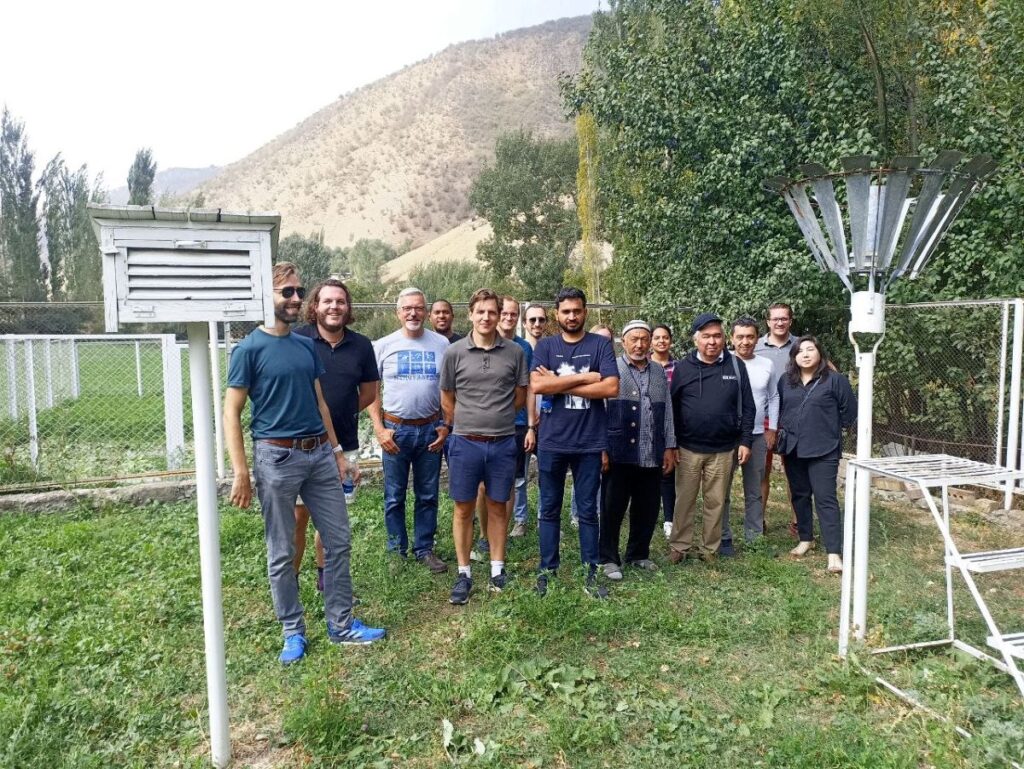
On September 16th, our partners embarked on an illuminating field trip, delving into the heart of water management. Exploring irrigation canals and stations, they gained firsthand insights into the intricate systems that sustain the landscape. A visual diary capturing this journey unfolds, revealing the synergy between theory and practice, as our collaborative efforts translate into tangible, transformative experiences on the ground.
WE-ACT Project Advances Water Resource Management in Central Asia – General Assembly and Stakeholder Consultation Workshops in Bishkek and Osh, Kyrgyzstan
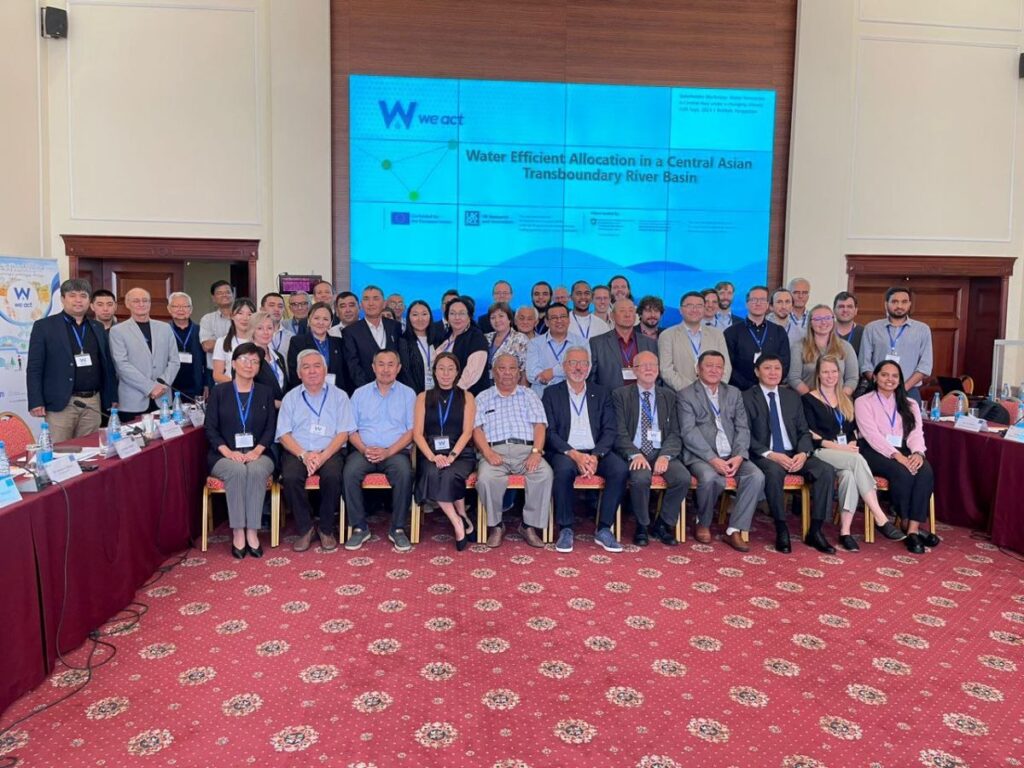
From the 11th to the 15th of September, the WE-ACT project, co-funded by European Union, organized a series of significant events, bringing together experts, stakeholders, and community leaders devoted to addressing Central Asia’s severe water concerns.
UNIFR’s Summer Fieldwork: A Visual Journey Through Central Asia
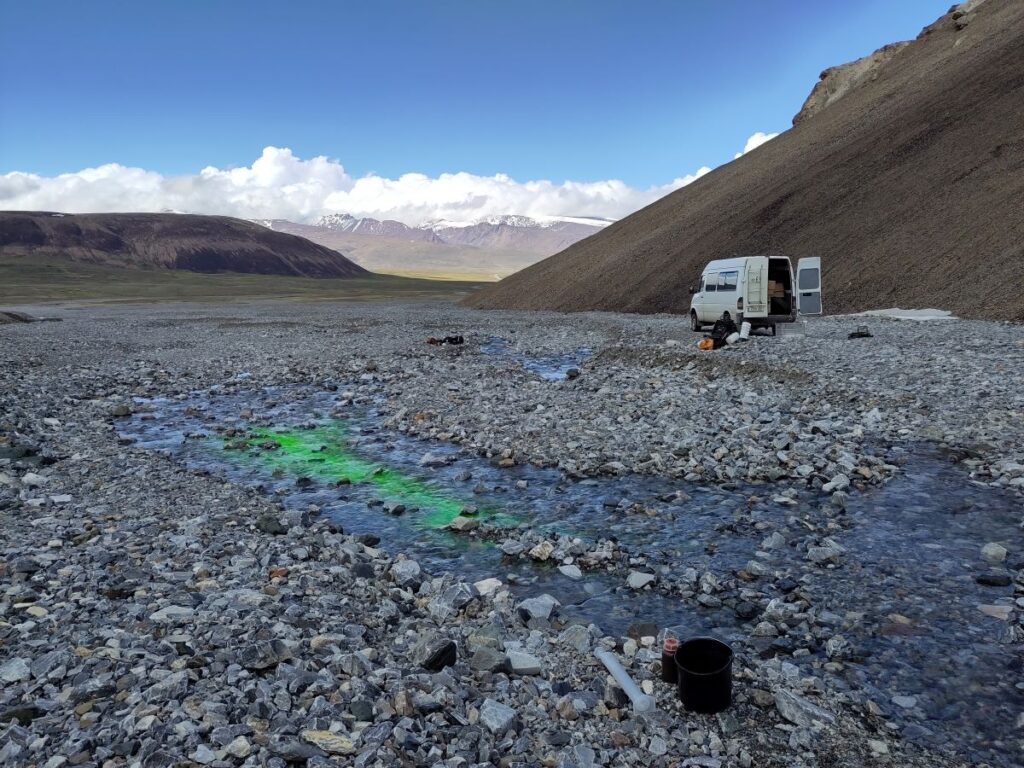
Explore UNIFR’s impactful fieldwork in Central Asia during the summer of 2023, where researchers, students, and partners collaborated on a multi-faceted project. From overcoming challenges in automated weather station data transmission to hands-on experiences in the high-mountain landscapes of Kyrgyzstan, the story unveils the journey of installing cutting-edge technology for sustainable development and climate change adaptation in the Naryn River catchment.
WE-ACT Joins the Partnership for Sustainable Development Goals (SDGs) Online Platform

Water is critical to achieving the Sustainable Development Goals and ensuring the health and prosperity of our planet and people. WE-ACT project joined a United Nations Partnerships for SDGs online platform, a global registry of voluntary commitments and multi-stakeholder partnerships made in support of sustainable development and the 17 Sustainable Development Goals.
Seminar-Training Explores Effective Distribution of Water Resources in Syr Darya Basin Amidst Climate Change
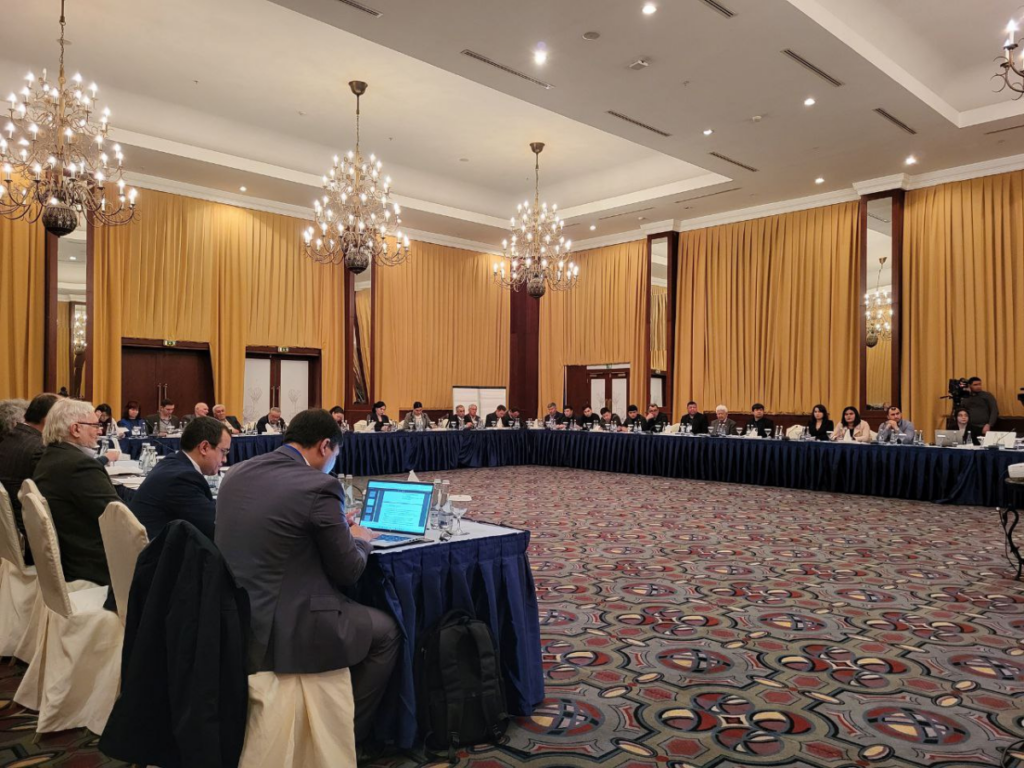
Collaboration at its finest! The event gathered governmental bodies, research institutions, and international organizations, fostering engaging discussions on climate change’s effects on water resources. With a focus on the International Fund for Island Rescue, experts explored its history, establishment, and impactful activities during an interactive seminar.
Insights from the Frontline: Unlocking the Potential of Hydrometeorological Monitoring in Central Asia
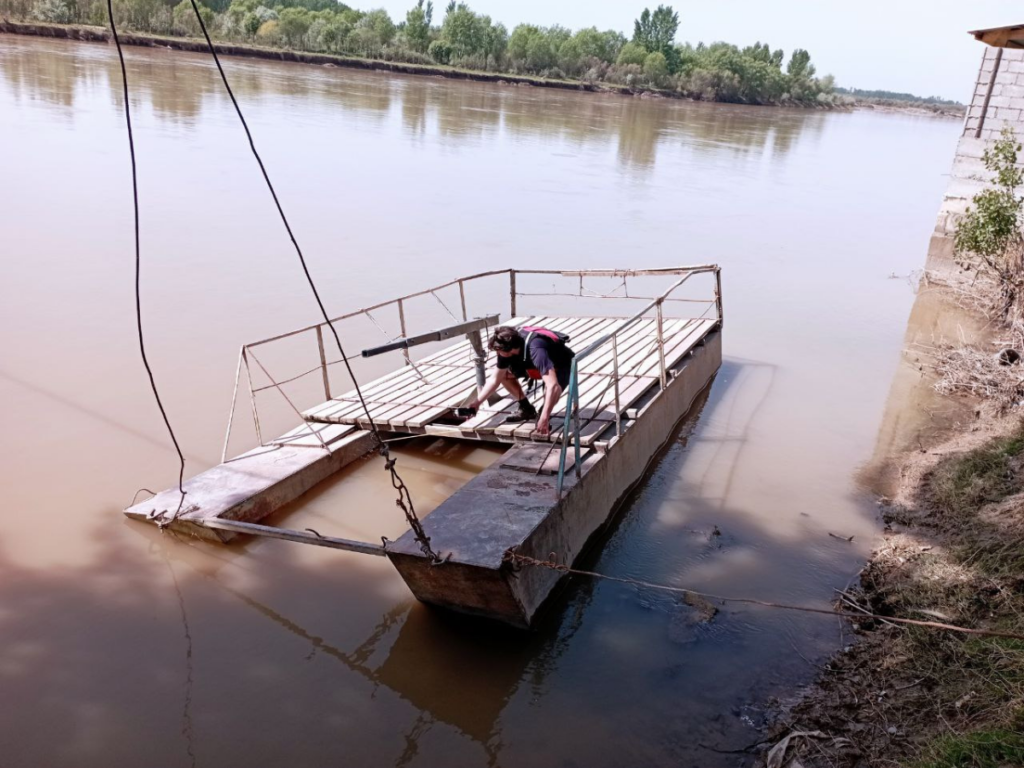
In a quest for improved water management, Portolan Association, a WE-ACT project partner, recently explored Uzbekistan and Kyrgyzstan, scouting potential locations for upgraded infrastructure and innovative solutions to bolster hydrometeorological monitoring and optimize water resource management.
New EU project set to catalyze the shift to climate-sensitive transboundary water allocation and management
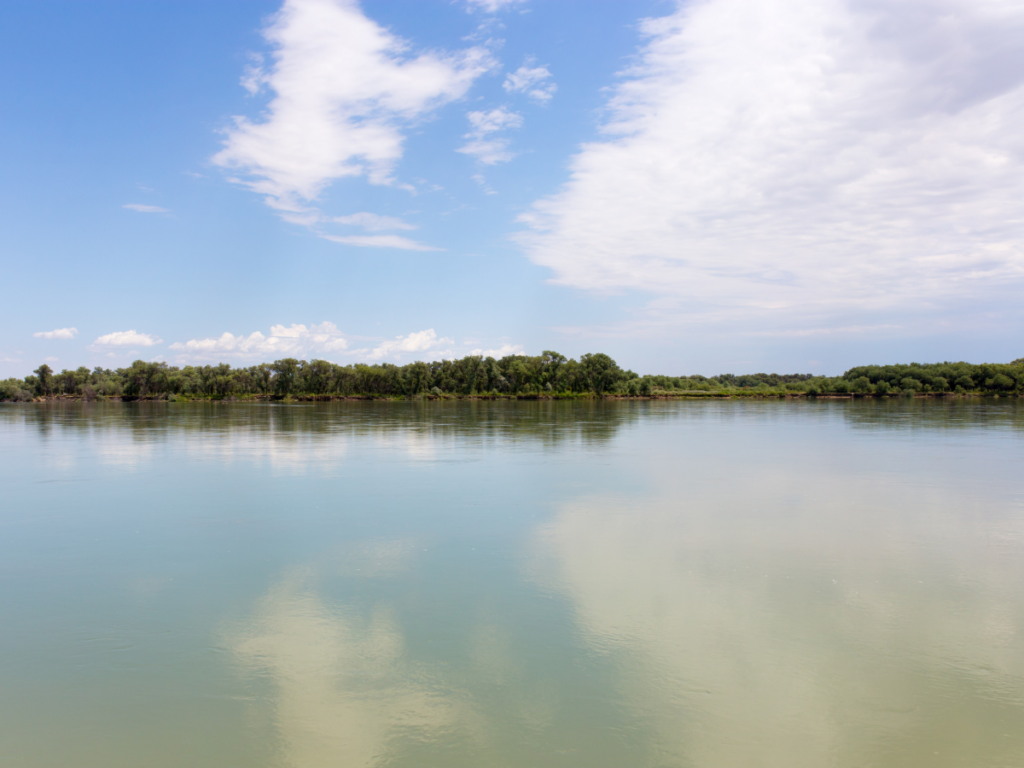
Introducing the game-changing WE-ACT project, supported by the European Commission, disrupting cross-border water resource allocation with cutting-edge digital tools for inclusive, forward-thinking, and climate-smart planning. Join the revolution!